

This spring, something truly wild happened in our early childhood division! Our kindergartners transformed into budding zoologists, designers, and tour guides during their annual Animal Project. Students embarked on an educational journey beyond textbooks, culminating in the design and construction of three creative kindergarten zoos, brought to life in their classrooms.
“This unit on animals isn’t just about memorizing facts,” says kindergarten teacher Lori Lowell. “It’s an engaging experience that truly encourages our students to think deeply and solve problems, fostering critical thinking, creativity, and collaboration.”
From Question to Creation
The Animal Project began with students exploring the world of animals, learning about their unique characteristics and behaviors. They discovered the multi-faceted relationships animals have with each other and their environments, examined the interesting characteristics that help us identify different types of animals, and even peeked into the world of animal care, understanding jobs like that of a veterinarian. Questions like “How loud is a lion’s roar?” “Do great white sharks ever leave the water?” and “Are bugs animals?” sparked genuine inquiry, guiding their exploration through books, magazines, and the National Geographic Kids website.
“From the beginning, our students were empowered to drive their learning,” adds kindergarten teacher Andrea Koscuiszka. “Instead of being assigned an animal, each student chose one that sparked their curiosity. This individual choice ignited their intrinsic motivation to dive deeper into research to learn more about them.”
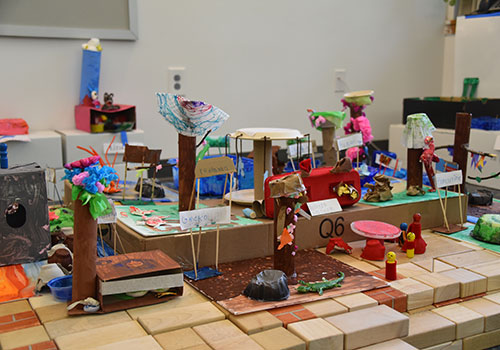
Through this process, each student became an expert on their chosen animal. Their research helped them create a 3D animal and habitat using recycled and natural materials. As Lori Lowell says, “Students translated their abstract knowledge of their animal into tangible, physical models for their presentations.”‘
From Research to Reality
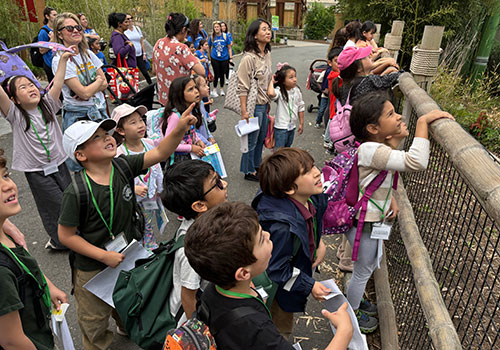
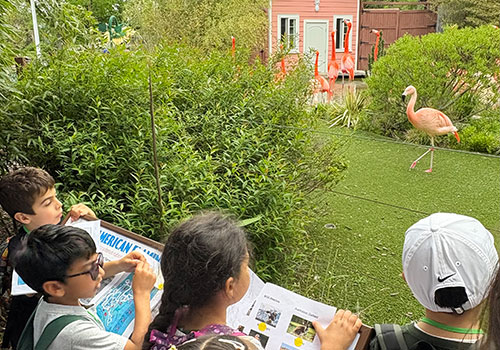
After researching and bringing their chosen animals to life, the kindergartners visited the Turtle Back Zoo. This field trip provided a living laboratory, shaping their understanding of the elements crucial for designing and running a zoo.
During their visit, students engaged in a “scavenger hunt,” using zoo maps to locate specific animals and essential features. As they identified various locations, they also observed and discussed the zoo’s infrastructure, distinguishing between vital “needs” – such as animal habitats, electricity, water, restrooms, zookeepers, and waste management – and enjoyable “wants,” like playgrounds, train rides, and gift shops. These observations assisted with their design thinking for their classroom zoos.
From Collaboration to Construction
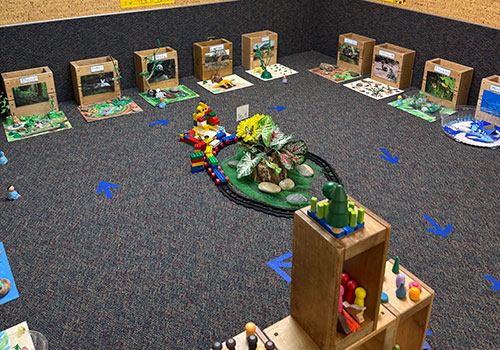
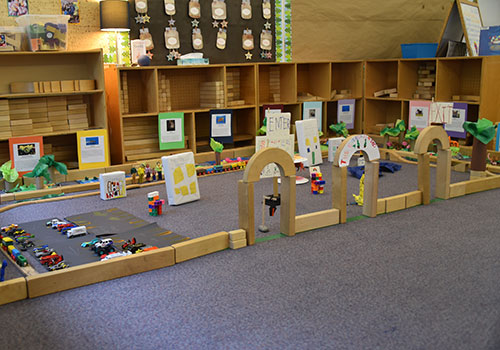
Following their zoo visit, the students collaboratively ideated essential features for their classroom zoo designs. Then, they brought their visions to life using various materials, from natural elements like rocks, sticks, and shells, to recycled goods, blocks, and Model Magic.
“The construction of habitats involved a lot of trial and error as they used available materials to create their vision,” says kindergarten teacher Rachel Simonson. “Students explored various fastening methods and experimented with different coloring techniques, showcasing their critical thinking and creative problem-solving skills.”
Their creativity shone through in the structures they built: a pond with a waterfall, a lion-shaped slide, a grand rainbow entrance, even an ice cream truck and a circular train track.

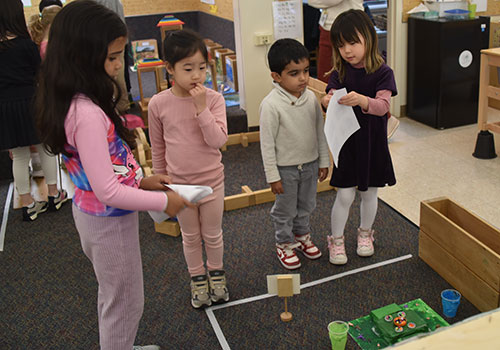
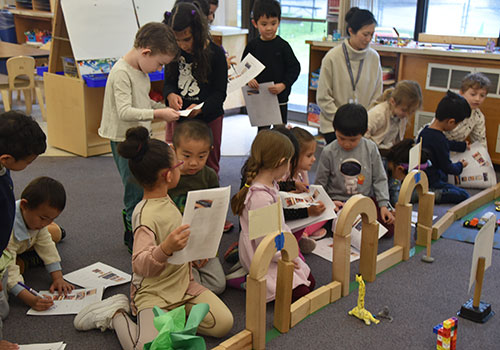
Our kindergartners embraced their roles as leaders and collaborators, confidently becoming tour guides for younger students from our early childhood division and our Little School first-graders who came to visit the classroom zoos. This interaction fostered interconnection, building relationships among students and with our wider community.
Our kindergartners guided the early childhood students on a scavenger hunt and provided maps to the first-graders, who then used Venn diagrams to compare the kindergarten zoos to Kidstown. “This cross-divisional interaction fostered a strong sense of community and provided valuable leadership opportunities,” says Head of Early Learning Lauren Mactas.
The Animal Project is a powerful demonstration of our students’ growth in essential skills. They honed collaboration in planning and building their zoos, practiced communication through research and as tour guides, showed perseverance in overcoming design challenges, and became leaders as they took ownership of their learning and confidently guided visitors. Through this hands-on project-based learning experience, our youngest students gained practical skills and confidence to serve them well as they continue learning and growing.
There's No Better Time to Support Your Child's Education
Every time you donate to one of Elisabeth Morrow's dedicated funds, you help enrich the daily experiences of our community on campus. STEAM spaces are enhanced, library catalogs are expanded, scholarships are funded, and teachers are hired. Every day, you can see the impact your generous donations have on campus.
